Discover the Chinese dwarf hamster – it’s hard to find a pet worthy of hunting
If you have been looking for dwarf hamsters for any length of time, chances are you have come across male Chinese dwarf hamsters. And you’re probably over considering this little fellow as a pet when you read the description “rat-like” or “mouse-like.” If that’s the case, you’re doing yourself a terrible disservice because, of the four species collectively referred to as “dwarf hamsters,” this delightful pet is the most sociable towards its human companions, and by far the most interesting.
Not really a dwarf
Although the Chinese hamster is often grouped with the dwarf hamster due to its similar size, scientifically speaking, it is not really a dwarf. Siberian, Campbell’s and Roborovski’s dwarf hamsters belong to the genus Phodopus, while the Chinese hamster belongs to the genus Cricetulus. And the misunderstanding does not stop there.
This amusing little guy is known by many names; The striped hamster, the Chinese striped hamster, and sometimes the dwarf striped hamster. Two of these names add more to the environment of confusion.
First, the name, dwarf striped hamster, is also used to refer to the Siberian or winter white Russian hamster (Phodopus sungorus). Secondly, there is debate about whether the Chinese striped hamster is the same species as the Chinese hamster (Cricetulus griseus). There are some scholars who suggest that it is a separate, but closely related species (Cricetulus barabensis), or subspecies, the Latin name after which is Cricetulus griseus barabensis. Some even point out that the opposite is true. The Chinese hamster is a subspecies of the Chinese striped hamster. (Whew!)
It doesn’t matter. Let taxonomists find out. Whatever you call him, he’s an interesting little guy, and a rare find… literally. Chinese hamsters are not easily bred in captivity and there are ownership restrictions in most of the United States. California, for example, requires that you obtain a permit.
Too cute to be a mouse
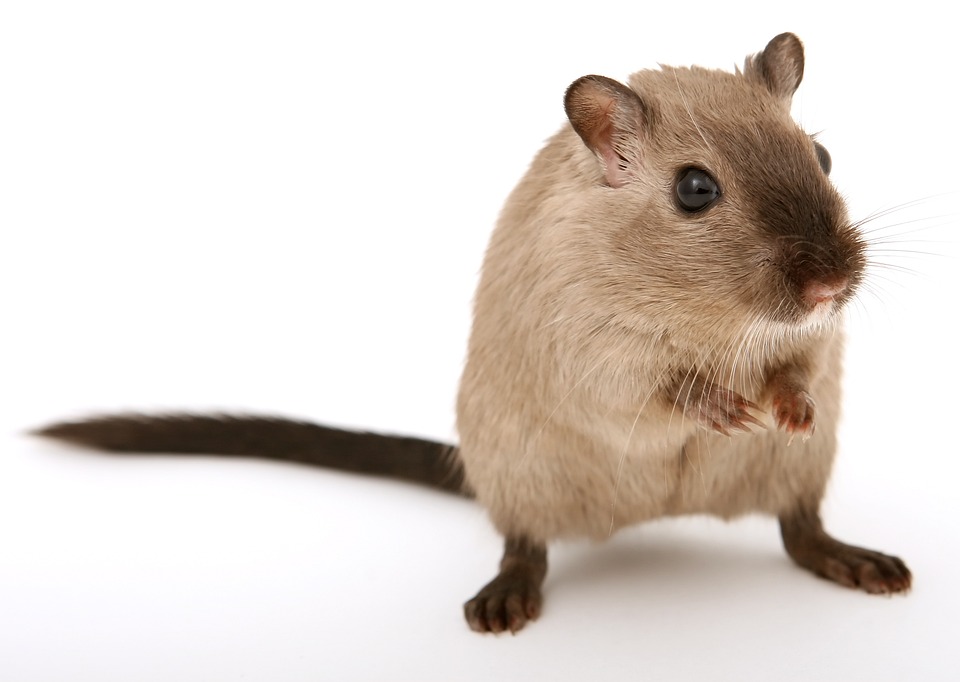
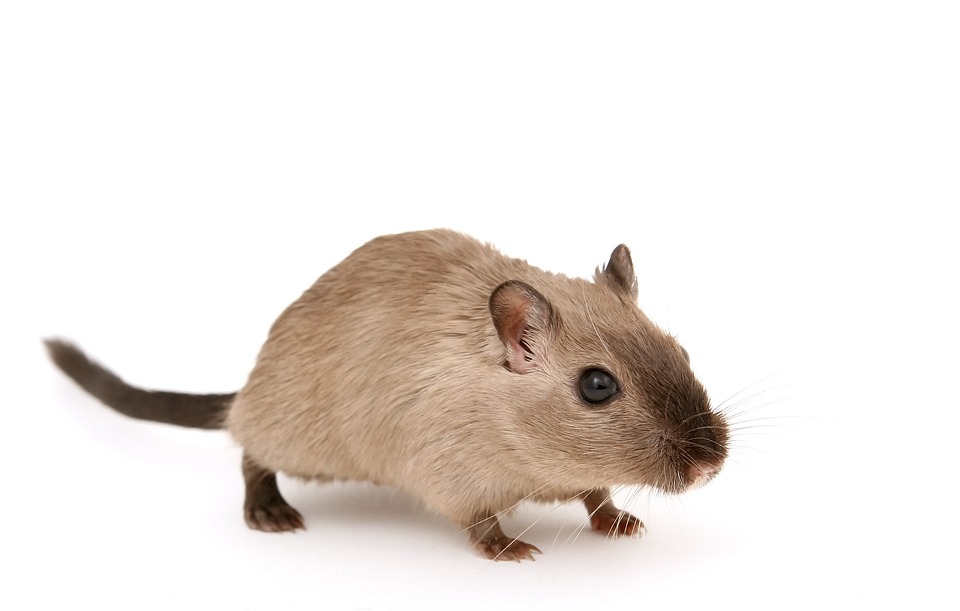
The Chinese hamster is one of about half a dozen species of hamster that comprise the group known as “mouse-like hamsters”. This is because their heads are longer and rounder than other hamsters, resembling the head of a rat. Their bodies are more slender and their fur is shorter and softer. In addition, they have a longer tail, about an inch long, and prehensile-like; It can be used to assist in climbing.
Like true dwarf hamsters, Chinese hamsters are small, only up to 4 inches in length. Its natural color is agouti. Individual hairs are ‘striped’ in light and dark colours. They have cream colored bellies and a black stripe that runs the length of their spine.
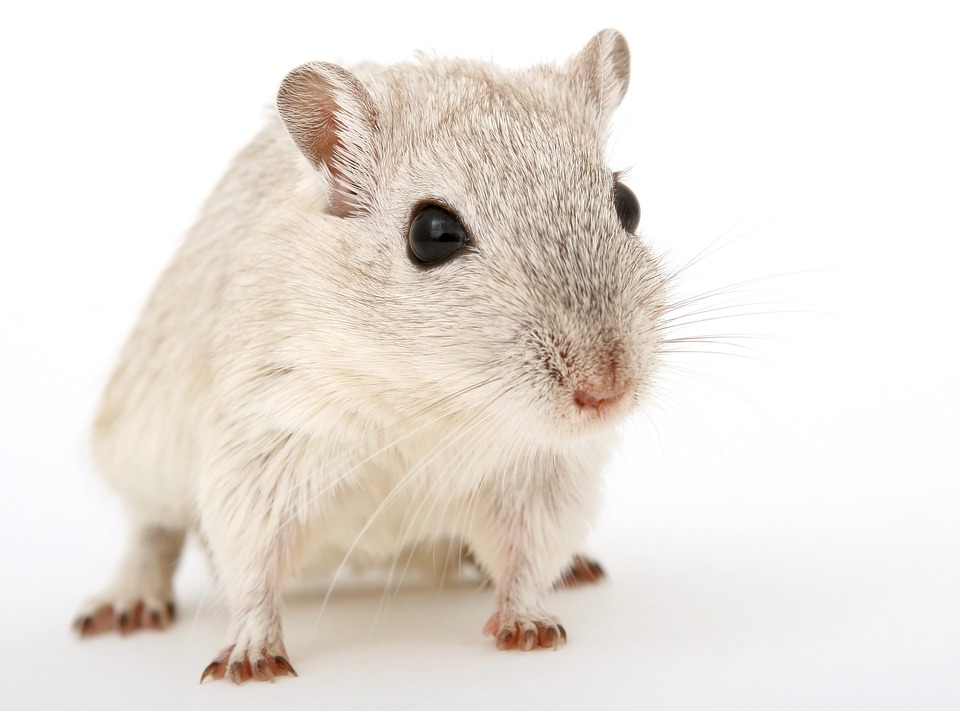
There are two color variants: the dominant spot, which has a mostly white coat with patches of gray and brown scattered along the dorsal stripe, and the black-eyed white, which is a white hamster that can be distinguished from an albino because its eyes are black. Both of these variations are rare because the breeding of two animals similar to either of these two breeds rarely results in viable offspring. Additionally, white males with black eyes are said to be sterile.
Chinese hamsters have a relatively long life. Few of them are known to live up to four years, although the average life expectancy is two and a half to three years.
The only group of dwarf hamsters
While true dwarf hamsters tend to be social with others of their own species, this is not the case with Chinese hamsters. In fact, although experienced breeders have had some success keeping these animals in pairs or groups, it is not recommended for the novice handler. Females are very aggressive and have been known to attack, and on occasion kill, other hamsters that invade their territory.
On the contrary, they are usually very friendly towards their human guards and rarely bite. However, they can be difficult to tame, as they are very shy as young adults and a little nervous.
These diminutive creatures are fast, agile, and expert climbers. They have the endearing behavior of clinging to their human companion’s toe with all four of their legs, and sometimes with their tail (much like an opossum clinging to a branch). They will not hesitate to jump from great heights, which could result in serious injury or worse. When handling them, it’s best to make sure they get a “safe landing” by minimizing the distance they might fall if they suddenly jump out of your hands. These characteristics make the Chinese hamster a very poor choice as a pet for anyone under the age of 12 or so. Teens and young adults will find them totally immersed
Take care of your hamster
Chinese hamster care requirements are similar to those of any other hamster. They need a high quality commercially prepared hamster seed mix, enhanced with fresh greens, fruits and vegetables (avoid onions and their relatives). A special treat for mealworms, crickets, or a small amount of cooked eggs may also be offered. Hay can be used to provide additional dietary fiber and has the added benefit of providing nesting material for your pet. A constant supply of fresh water is an absolute necessity to promote good health and a friendly disposition.
Because of their stream-lined bodies, toddlers can easily squeeze through the bars of almost any cage. So wire cages are definitely not a good choice. A 10-20 gallon aquarium with an airtight screen hood is generally your best choice. As with all hamsters, pine or cedar shavings should not be used as litter. Aspen shavings or granulated newspaper work well. Be sure to provide materials for the hamster to build a nest with. Acceptable materials include hay, clean shredded paper, or wipes free of chemicals or dyes.
Be sure to include a nesting box of some kind and a variety of hamster toys. Hamsters are very active creatures and they also need to nibble in order to keep their teeth trimmed. An exercise wheel and various soft wooden chew toys are essential.
An unusual find
If you feel that a Chinese hamster is the perfect fit for your household, your best bet for finding one is to find a professional breeder in your area. He or she will also be able to tell you about any laws that govern keeping these adorable little creatures in your geographic area. Although difficult to obtain, the Chinese hamster is, without a doubt, a rare and enjoyable pet.