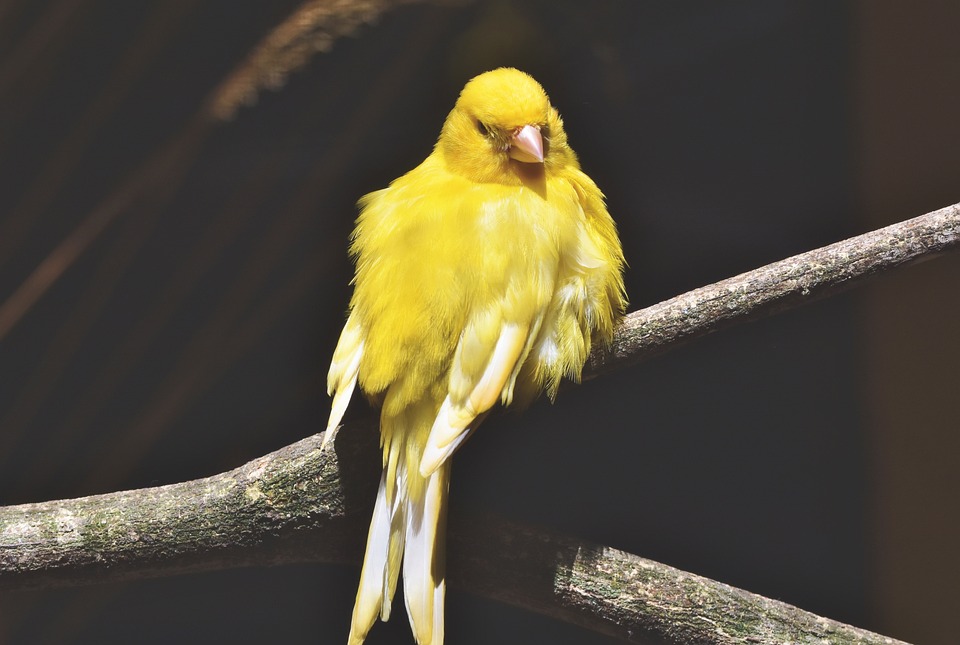
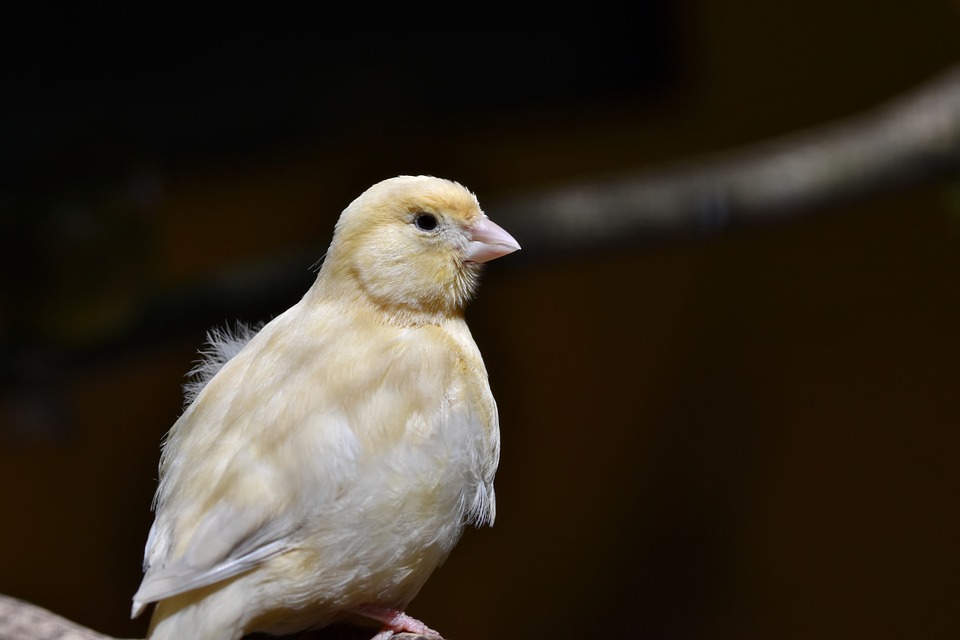
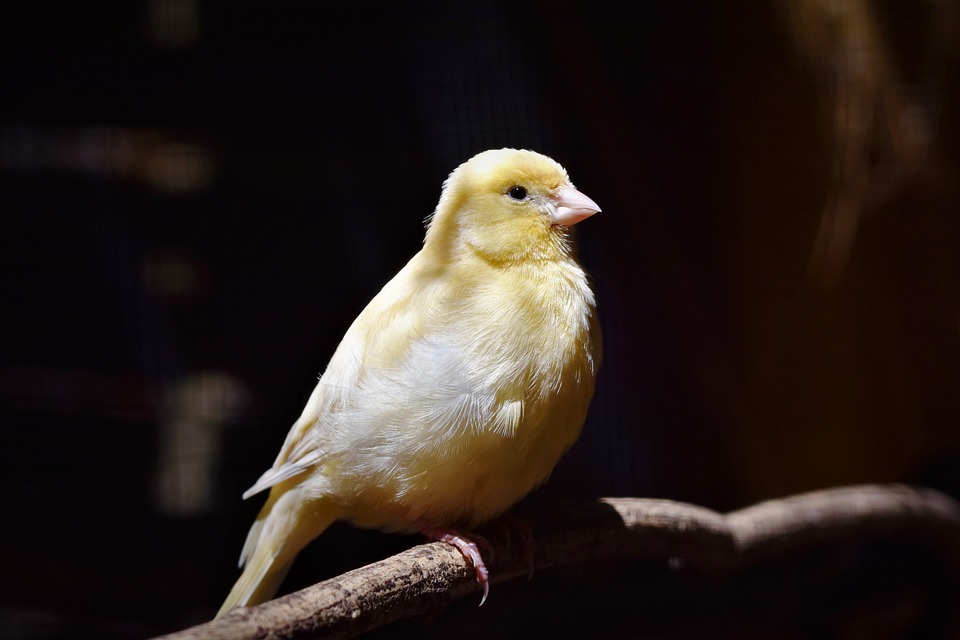
The cage for canaries
Canaries are well suited to a aviary containing a colony of birds as long as the cage is large enough to prevent territorial disputes. If you are going to use an aviary, house one male with a few females, or more than three males with several females. Two males will argue, often savagely, over females, but more than three males seems to be a recipe for relative peace. Canaries can also be kept with other peaceful birds, including parakeets, cockatiels, some grazers, and some non-aggressive species of finches, as long as the cage is large enough. If you are housing birds of different species together, keep a close eye on them, especially hook-bills (macaws, parakeets, and terriers), to make sure no one terrorizes the bird or other birds. Although they are similar in size, never keep lovebirds with canaries. If you are serious try to do this in an avian environment.
For a bird colony, be sure to include an excess of high roosting areas as well as feeding stations. You want to make sure that even weaker characters are able to eat, drink, and find a safe, comfortable place to sleep. Also, make sure there is plenty of shelter from bad weather. Most outdoor coops have a shelter area made of slate that serves as protection and a roosting place for the night.
The Canaries kept off camera all year round are accustomed to the cold and won’t mind wintry weather if they can get out of the wind. Some people equip their cages with heated areas to make sure the birds are comfortable. If it gets really cold where you live, keep thick plastic sheets and warm blankets on hand to cover the cage walls when the weather turns up. Also, make sure that the bird’s water does not freeze. If you live in a very warm climate, make sure that part of your cage is shaded all day, and offer your birds plenty of fresh water.
If you have the time and inclination, plant the cage with safe trees and plants, and create water features such as fountains. It’s fun to watch birds interact with these natural elements, making them comfortable and providing them with shelter. You can grow the plants in large clay columns with natural, untreated soil, and keep the other plants outside to cycle in and out of the cage when the plants inside get worn out.
The floor of the cage can be raised so that waste and excess food fall out, or you can use a concrete slab for easy cleaning. Some people prefer the natural soil, sand, or gravel ground that birds enjoy, but the cage must have adequate drainage.
For safety, the outer cage should be double wired with screens between the wires. The space between the wires prevents predators from reaching the cage and pulling the birds through the wires – yes, that can happen! The double wire also prevents contact with wild birds that want to feed inside your cage and possibly pass disease on to your birds. In addition, screening prevents mosquitoes and other pests from entering your cage and infecting your birds with diseases.